
Children’s Kinesiology in Appin NSW
Gentle support for emotional regulation, anxiety, stress and nervous system balance
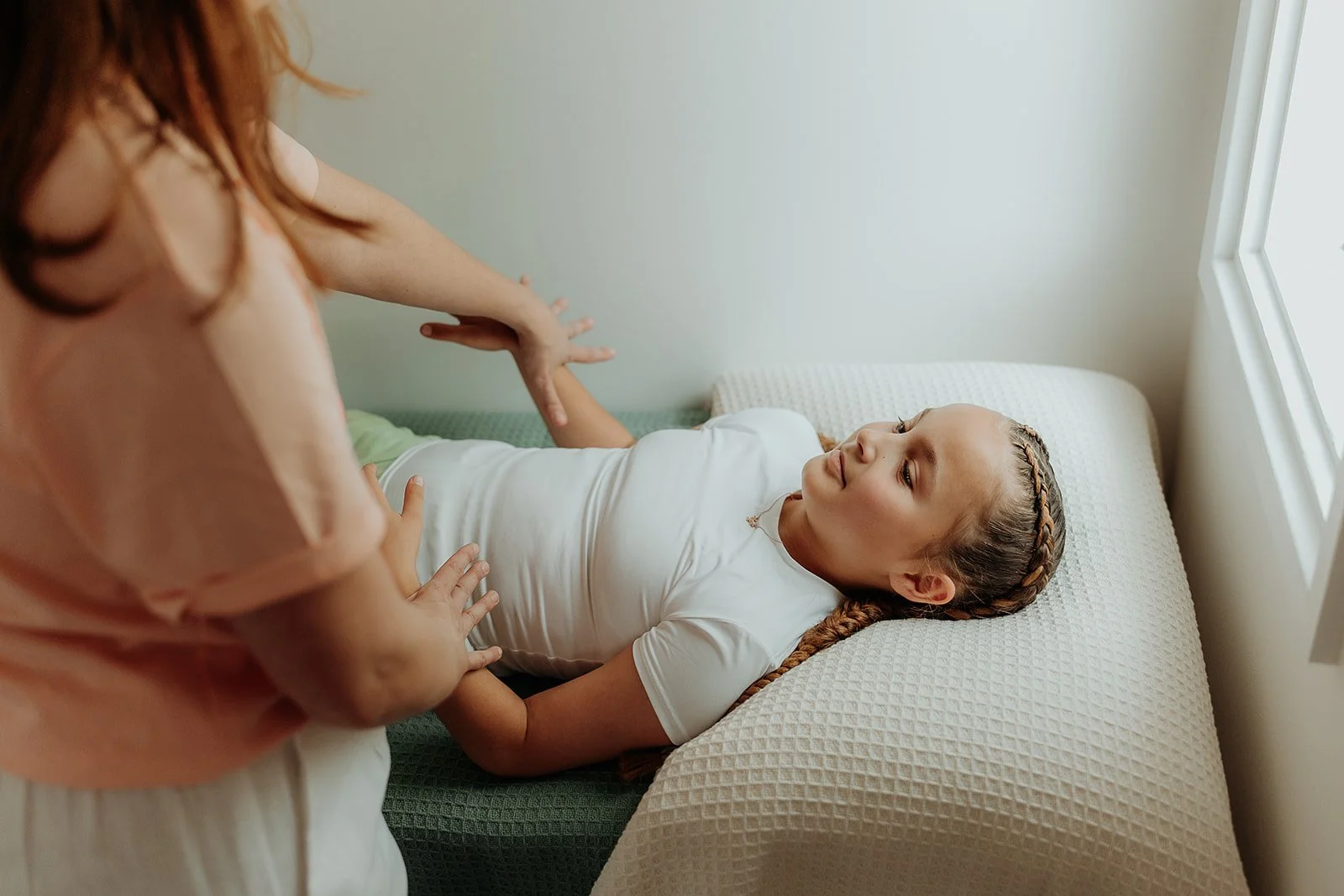
Children experience the world deeply.
Sometimes that sensitivity shows up as:
emotional outbursts,
anxiety,
overwhelm,
shutdown,
difficulty coping with change,
sleep struggles,
behavioural shifts,
or nervous systems that seem constantly “on edge.”
Often, children do not yet have the words to explain what they are feeling internally.
Instead, stress is communicated through:
behaviour,
emotions,
physical symptoms,
nervous system responses,
and changes in how they interact with the world around them.
For parents, this can feel confusing, exhausting and emotionally heavy, especially when you can sense your child is struggling but aren’t sure how to fully support them.
Kinesiology for children offers a gentle, holistic approach that works with the nervous system, emotional regulation and mind-body connection to support children in feeling calmer, safer and more balanced within themselves.
Located in Appin NSW, Josie Holt Kinesiology supports children, tweens and teenagers through calm, personalised kinesiology sessions adapted to each child’s individual needs and nervous system capacity.
Supporting the Nervous System, Not Just the Behaviour
Children’s behaviour is often communication.
Emotional outbursts, withdrawal, anxiety, clinginess, perfectionism or difficulty regulating emotions are not simply “bad behaviour”, they are often signs that a child’s nervous system is under stress or struggling to cope with overwhelm.
Many children today are carrying:
emotional pressure,
overstimulation,
school stress,
social anxiety,
sensory overwhelm,
family transitions,
and nervous system exhaustion.
Kinesiology looks beneath the behaviour to explore:
what stress the body may be holding,
how the nervous system is responding,
and what support may help restore balance.
This whole-child approach is why many families seek holistic kinesiology therapy for emotional regulation, anxiety and nervous system support.
“Anxiety doesn’t always look like a nervous child. Sometimes it looks like a quiet, angry, or difficult child.”
What Is Kinesiology for Children?
Kinesiology is a gentle holistic therapy that works with the body’s stress responses and nervous system regulation through muscle monitoring and body-based balancing techniques.
Children often process stress physically and emotionally long before they can explain it verbally.
Kinesiology helps identify where stress may be affecting:
emotional regulation,
confidence,
focus,
behaviour,
nervous system balance,
and overall wellbeing.
Rather than forcing change or suppressing behaviours, kinesiology supports the child’s nervous system in moving toward greater regulation, calm and resilience.
Sessions are adapted to the child’s age, personality, emotional capacity and developmental stage.
Signs Your Child May Benefit from Kinesiology
Every child expresses stress differently.
You may notice your child:
becoming emotionally reactive or overwhelmed
struggling with anxiety or worry
finding transitions difficult
having meltdowns or emotional shutdowns
struggling with confidence or self-esteem
becoming highly sensitive or overstimulated
having difficulty sleeping or relaxing
struggling with school pressure or social situations
experiencing physical symptoms linked to stress
seeming emotionally “stuck” or withdrawn
These signs are not failures or labels.
They are often signals that the nervous system may need support.
How can kinesiology supports children?
-
Emotional regulation develops through the nervous system.
When a child’s nervous system feels overwhelmed, overstimulated or emotionally overloaded, it becomes much harder for them to:
process emotions,
feel calm,
cope with stress,
or access flexibility and resilience.
Kinesiology supports emotional regulation by helping the body move out of heightened stress responses and toward greater balance and safety.
As regulation improves, many parents notice:
fewer emotional outbursts,
increased calm,
improved confidence,
better emotional recovery,
and a greater ability to cope with everyday stressors.
-
Many children experience anxiety through the body rather than through words.
This may look like:
tummy aches,
difficulty separating,
avoidance,
perfectionism,
sleep difficulties,
emotional overwhelm,
or heightened sensitivity to change and pressure.
Children with sensitive nervous systems often absorb more from their environments than adults realise.
Holistic kinesiology therapy supports anxious or sensitive children gently by helping the nervous system feel safer, calmer and less overwhelmed.
Sessions are paced carefully and respectfully to ensure children feel supported rather than pressured.
-
Teenagers are navigating enormous emotional, social and nervous system changes.
Many teens experience:
anxiety,
school pressure,
emotional overwhelm,
identity struggles,
perfectionism,
burnout,
social stress,
and nervous system exhaustion.
Teenagers often benefit from kinesiology because sessions provide a calm, non-judgemental space that supports emotional processing without pressure.
Sessions are collaborative and adapted to the teenager’s comfort and emotional readiness.
The Benefits of Kinesiology for Children
The benefits of children’s kinesiology often extend across emotional, behavioural and physical wellbeing because the nervous system influences every area of development.
Benefits may include:
improved emotional regulation
reduced anxiety and overwhelm
greater nervous system balance
improved confidence and resilience
reduced emotional reactivity
better coping with transitions and change
improved sleep and relaxation
reduced stress-related physical symptoms
increased calm and emotional steadiness
Many parents also notice positive changes flowing into family dynamics and relationships as the child becomes more regulated.
What Happens During a Children’s Kinesiology Session?
Children’s kinesiology sessions are gentle, calm and adapted to the individual child.
Sessions may involve:
discussing current concerns with the parent and child
observing emotional or nervous system patterns
gentle muscle monitoring techniques
balancing methods guided by the body
grounding and regulation support
Sessions are designed to feel safe and supportive.
There is no pressure for children to explain everything verbally or “perform” during sessions.
The process unfolds gently and at a pace that supports the child’s nervous system capacity.
Many children leave sessions feeling calmer, lighter or more emotionally settled
Holistic Kinesiology for Children in Appin NSW
Josie Holt Kinesiology supports children, tweens and teenagers in Appin NSW and surrounding areas including:
Camden
Wilton
Picton
Campbelltown
Wollondilly
the wider Macarthur region
Online kinesiology sessions are also available for children and families seeking flexible support remotely.
Your Questions, Answered
-
Yes. Kinesiology is gentle, non-invasive and easily adapted to suit children and teenagers of different ages and developmental stages.
-
Many families seek kinesiology support for children experiencing anxiety, overwhelm, emotional sensitivity and nervous system dysregulation.
-
That is completely okay. Children often communicate stress through behaviour, emotions and nervous system responses rather than words. Sessions are designed to work gently without requiring extensive verbal processing.
-
Yes. Kinesiology can support teenagers experiencing emotional overwhelm, school stress, anxiety, burnout or nervous system sensitivity.
-
Yes. Online kinesiology sessions are available for children, teenagers and families seeking remote support.
Gentle Support for Your Child’s Emotional Wellbeing
If your child has been struggling with emotional overwhelm, anxiety, nervous system sensitivity or stress, kinesiology offers gentle, whole-person support that works with the body, emotions and nervous system together.
You are welcome to book a children’s kinesiology session in Appin NSW or reach out to explore whether this approach feels aligned for your child and family.